
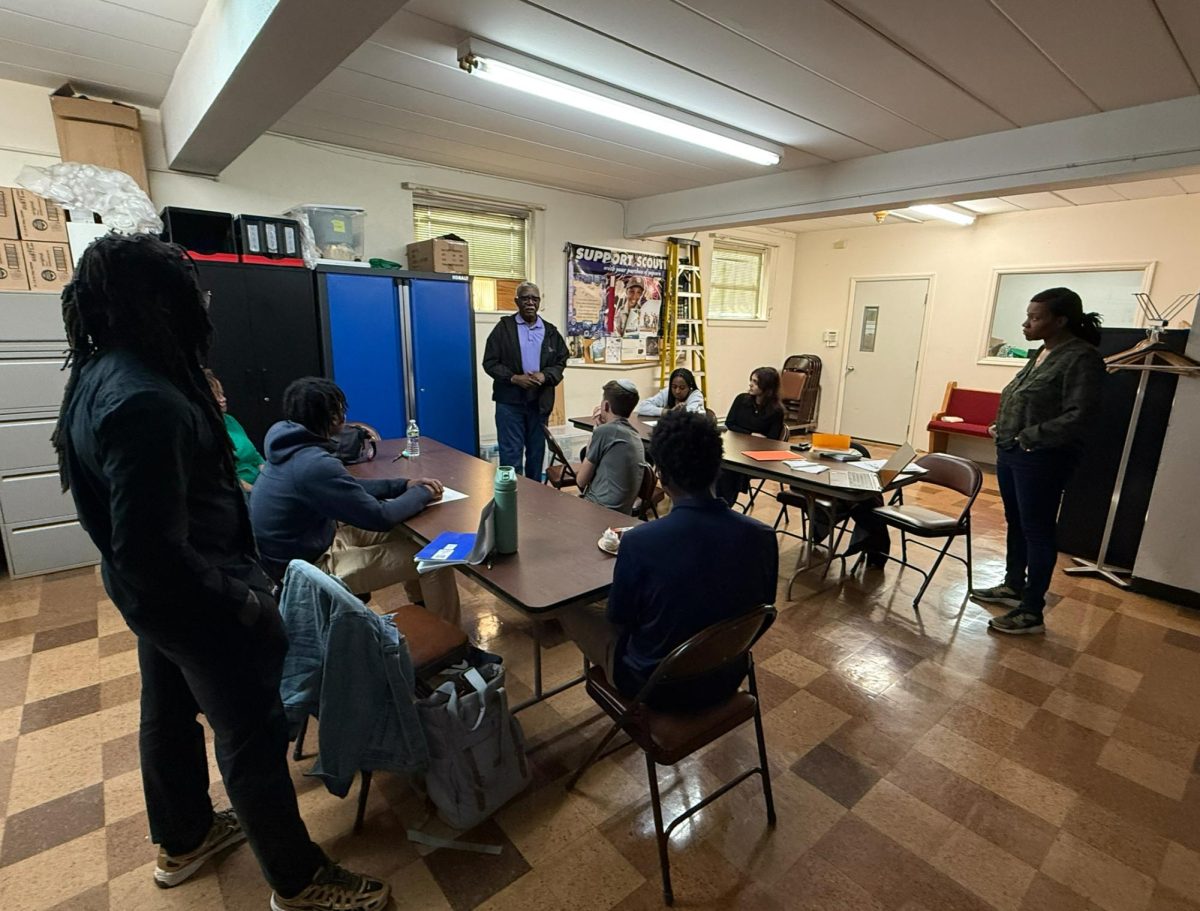


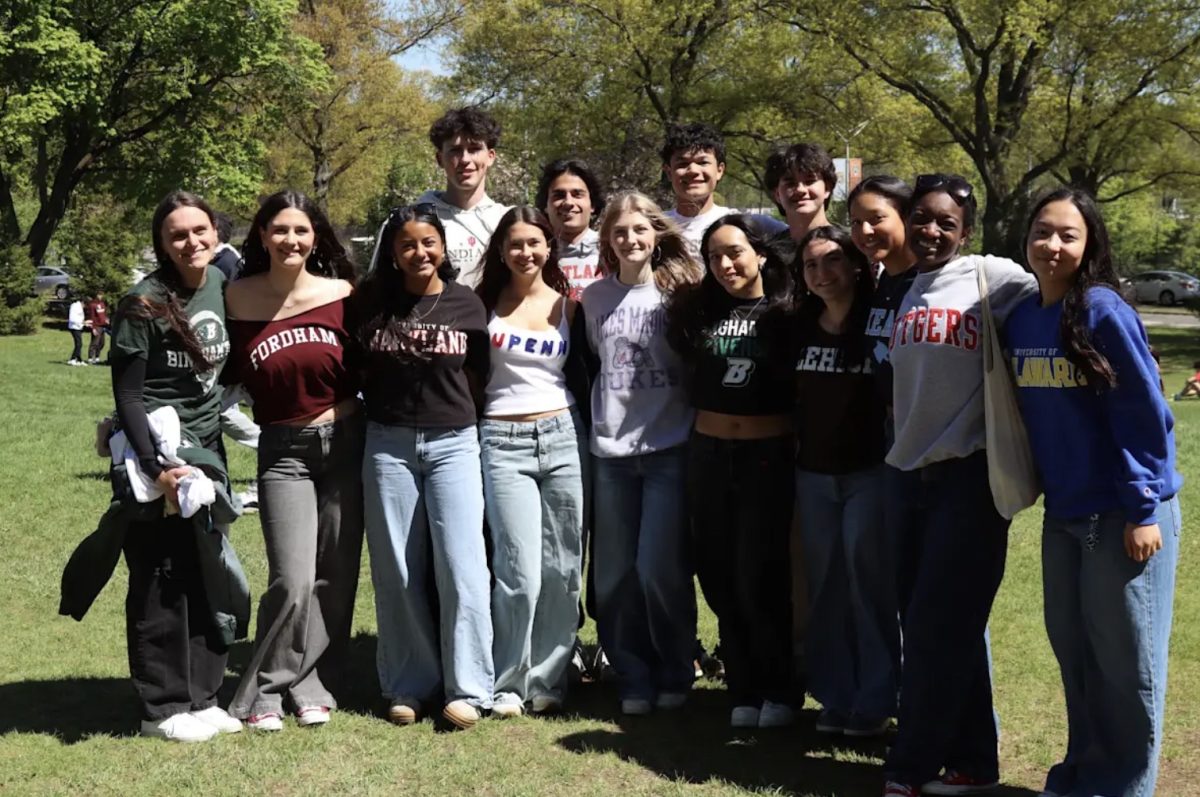






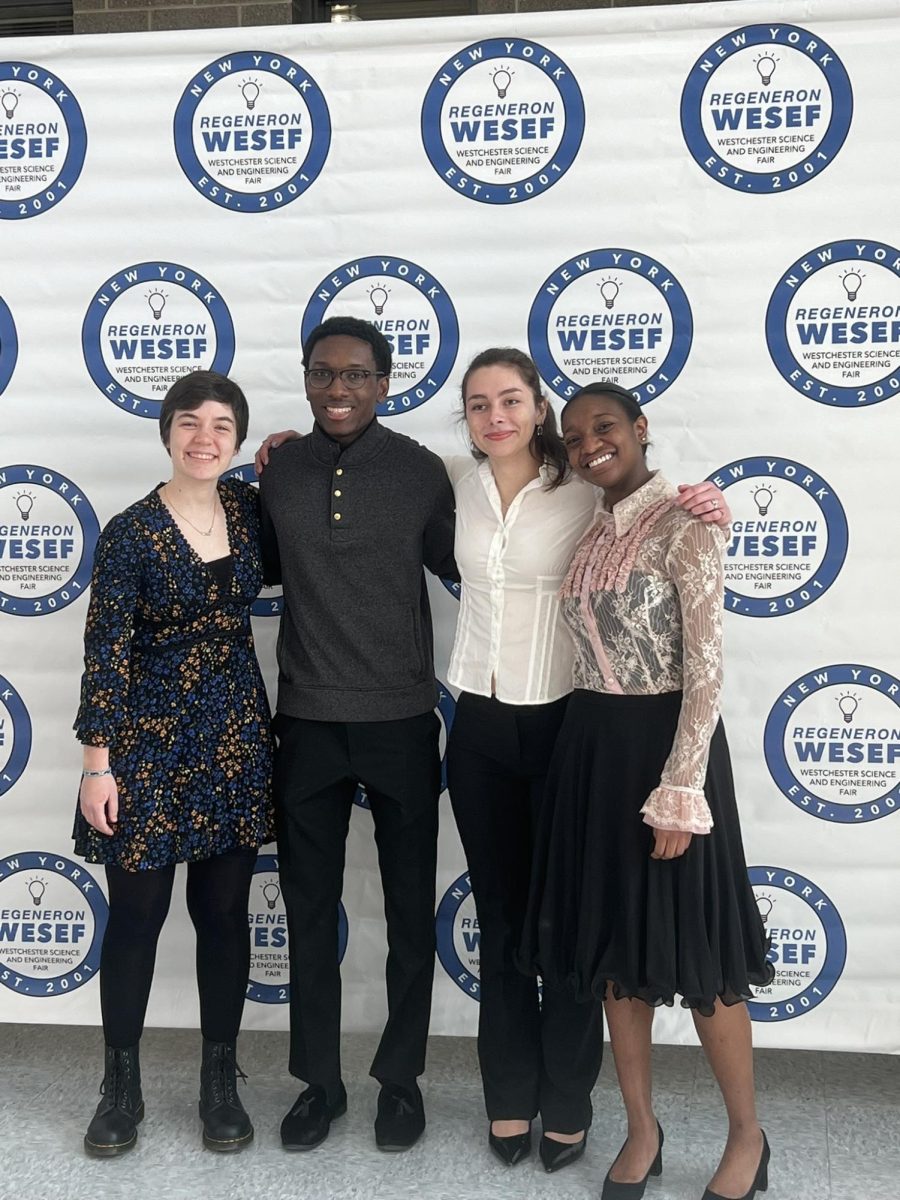







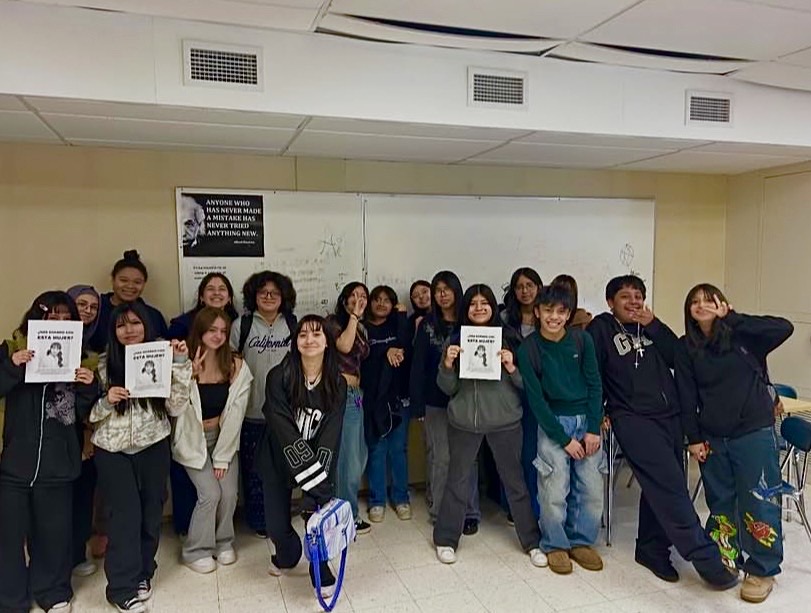


On Friday, February 13, 26 WPHS freshmen presented projects honoring an African American leader in STEM of their choice in commemoration of Black History Month.
The selected figures ranged from George Washington Carver, an agricultural scientist whose innovations transformed farming practices, to Katherine Johnson, the NASA mathematician whose calculations were critical to early U.S. space missions and who was the most frequently researched figure at the event.
“We learned that when you really set your mind to things, it’s amazing what you can achieve,” said freshman Brianna Peters, who collaborated on a project highlighting Black women who overcame adversity at NASA. “Especially when you look at, for us, Aisha Bowe. She had dark moments and gave up at times, but with a little bit of help she was able to go really far and even go to space.”


Beyond exploring historical contributions and the systemic barriers African Americans have faced, students also strengthened essential academic skills, including research, collaboration and the ability to present information clearly and effectively.
Peters’ collaborator, Maxence Fernandez Boquet, said he “really loved putting all the research together and creating a beautiful poster. They showed new generations that if you face challenges in life, you can always fight for your rights and push past barriers.”
This marks the first year WPHS has hosted such a commemoration, and plans are already underway to expand the event in the future.
“All the credit goes to Ms. Westnick,” explained social studies teacher Ms. Picard, noting that Ms. Westnick originally proposed the idea and helped bring it to fruition.
Black History Month began in 1926 as Black History Week, founded by historian Carter G. Woodson, who sought to ensure that the achievements of African Americans were formally recognized and studied. In 1976, during the nation’s bicentennial, President Gerald R. Ford officially recognized Black History Month, encouraging Americans to honor the “too-often neglected accomplishments of Black Americans.”
