

















Classes are almost over and summer is just on the horizon, but so are finals. For many students, this brings lots of stress and excitement.
Where should students start?
One of the most effective ways to study is to start early and create a study plan. Now, I know that may sound boring and may be common knowledge, but I can assure you that the best results come from being prepared in advance. The ultimate goal of your plan is to balance your time evenly among the classes in which you have a final exam. For instance, my plan currently includes studying for one hour a day for my math final and 30 minutes a day for my physics final. By following a plan, I can adjust my schedule and clear out time for studying, and if I miss a day, I can increase the time I study the next day.
When is the best time to study?
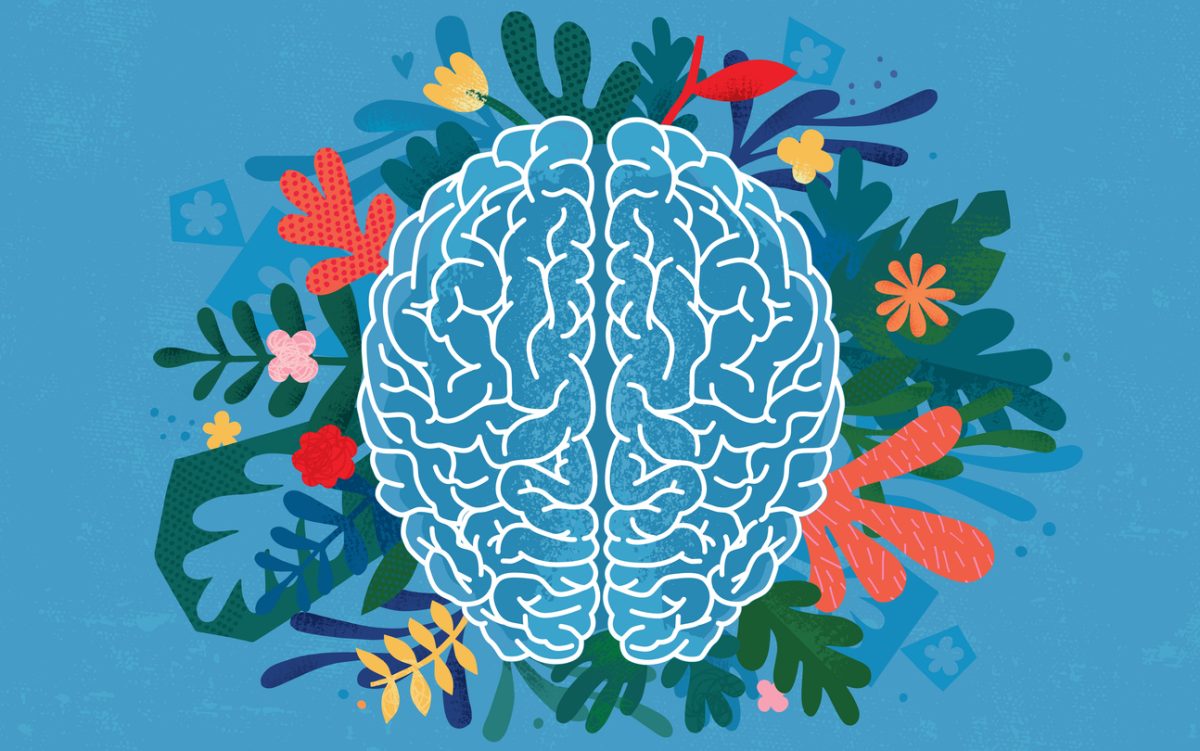
If you want to ace those final exams, the earlier you start the better. One week or more should give you enough time to break the curriculum into manageable pieces. Additionally, with this approach you will be less stressed as you have far more time between you and exams. Remember, your brain can recall information better when it isn’t stressing out about how close that exam is. Lastly, you should avoid studying late at night, as your sleep is extremely valuable and your brain may not fully grasp what you learned if you are tired.
What are some methods for studying?
If time isn’t a big issue for you, I would recommend the pomodoro method. This method allows your brain to take small breaks between studying, which in return allows it to retain more information and reduce mental fatigue. The method follows a cycle of 25 minutes of focused studying and five minutes of break. If you prefer longer periods of studying you could try 50 minutes of studying with 10 minutes of break. There are plenty of YouTube videos that can guide you through this method.
Another method I personally use is active recall. The method involves you writing down everything you possibly can remember about a unit or topic within the class. I used flash cards and wrote down formulas and definitions; this method is great for understanding your weak spots.
The third method I also like using is called spaced repetition. This involves reviewing material a few times a day over the span of a week. The way our brain stores information is through repeated exposure to that information; if you are constantly exposed to the same formulas over and over again, the brain will take note of that and store it in permanent memory.
This method works better than just cramming everything the day before as your brain has time to process and sort the information neatly.
Should I listen to music while studying?
Yes and no—this heavily depends on what subject you are studying for. But in most cases you should avoid listening to music that contains lyrics. Personally, I either listen to brown noise or some dark academia playlists on YouTube. The reason why you should avoid music that contains lyrics is because the lyrics may get stuck in your head and not the actual exam material.