
























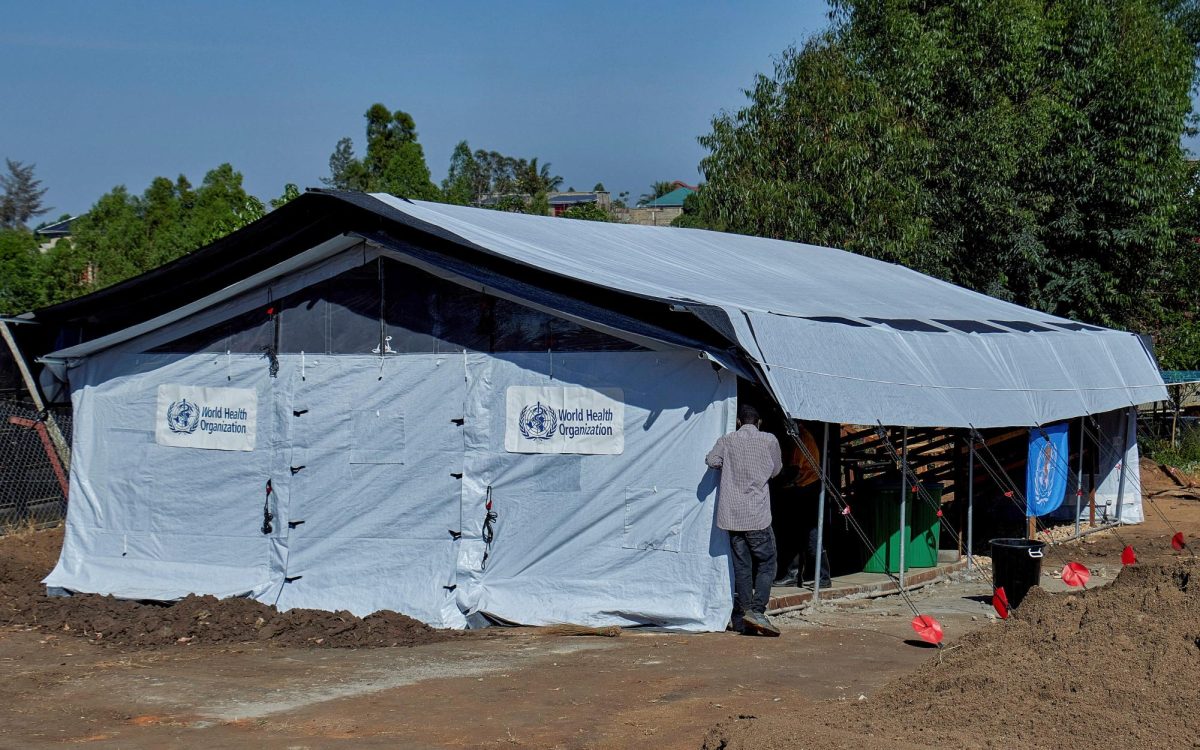
Almost exactly six years after Covid-19 shut down society and mere weeks after the hantavirus scare left many people afraid of a second pandemic, a serious Ebola outbreak in the Democratic Republic of Congo has sparked concern once again. So far, there have been over 1,000 reported cases and at least 245 deaths, although the real number is likely higher.
Common in sub-Saharan Africa, Ebola is an extremely contagious virus spread through contact with bodily fluids and any contaminated objects, including bedsheets, clothing and medical equipment. Likely carried by fruit bats, four out of the six known strains can fatally infect humans, making it a very dangerous virus, although infected people are sometimes able to recover. The early symptoms of Ebola are similar to other, more common infections, like flu-like diseases and malaria, making it difficult to identify.
This outbreak, which began in May in the Ituri Province in the northeast of the Democratic Republic of Congo, is a rare type of the virus called Bundibugyo, for which there is no vaccine or known treatment. Health officials failed to recognize the virus for what it was in the early stages of the outbreak, so it had already spread by the time authorities could initiate a response. Violent conflicts in the area have driven people out, while gold mines draw migrant workers, creating a constant flow of people in and out of the province, further facilitating the spread of the virus.
With inadequate equipment and local infrastructure, containing the outbreak has been difficult. Uganda, which borders the Democratic Republic of Congo, has already confirmed 6 cases and 1 death, and has since closed its borders. International response has also been scarce, and many officials disapprove of the United States’ lack of support. Despite funding clinics and sending money for equipment, the U.S.’s withdrawal from the World Health Organization in January and the closure of the U.S. Agency for International Development, which helped to contain such outbreaks, has greatly diminished the external aide affected areas have received.
In the meantime, Doctors Without Borders is working to help people in areas where outbreaks have occurred, while travel restrictions and screening procedures at airports are expected to minimize the spread of the virus. In the midst of the outbreaks, locals have attacked clinics numerous times in protest of the necessary handling restrictions of the bodies of Ebola victims, which infringe upon traditional burial rites and customs. However, the bravery of health workers has not gone unnoticed as they work around the clock to ensure this Ebola outbreak does not become the deadliest in history.