















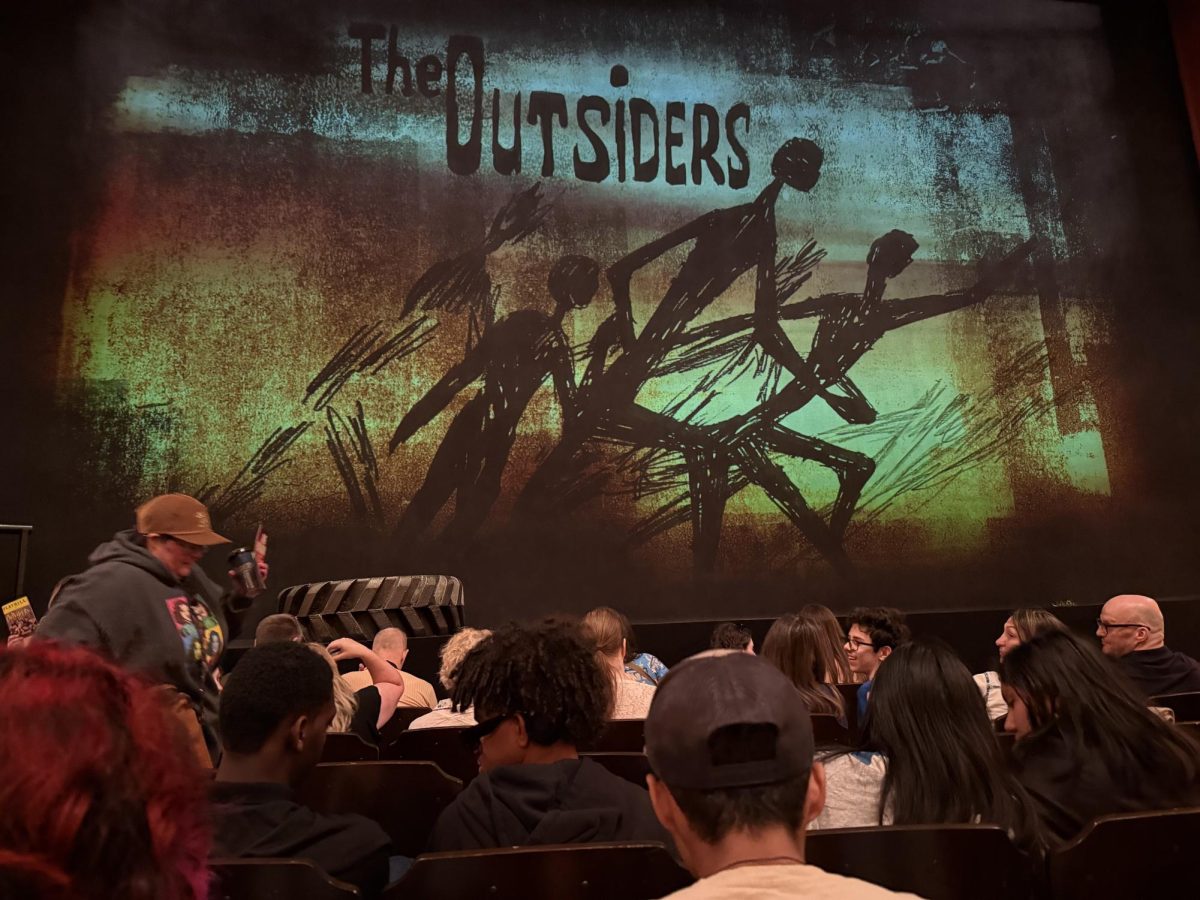
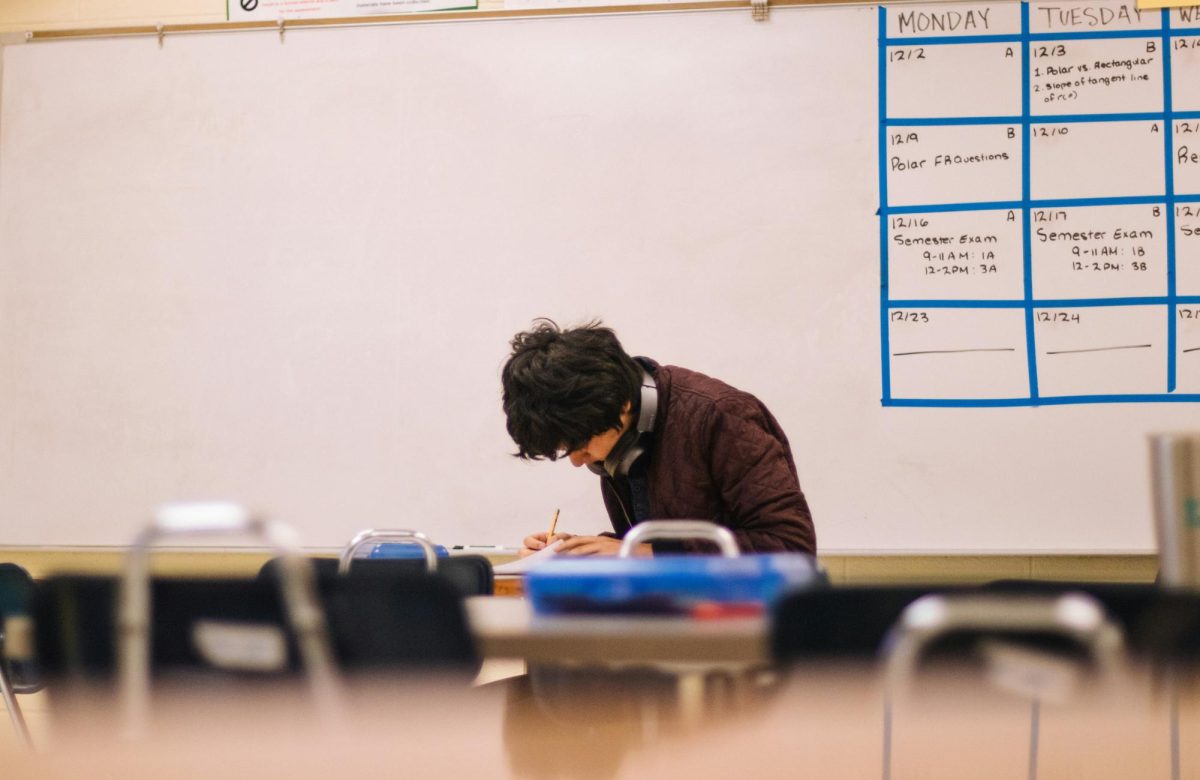
The participation grade—it is supposed to measure engagement, effort and contribution. But in most classrooms, it measures one thing: who can speak the loudest. Students who think before speaking or lead quietly can be invisible. Their grades can even suffer when introversion is mistaken for a lack of effort, as participation grades are also subject to instructor biases.
Across the country, participation is often judged by the volume of a student’s voice or the speed with which their hand shoots up. Teachers call on those who speak the most and reward the most frequent contributors. But what happens to the students who think deeply, take meticulous notes and contribute without flourish or disruption?
This creates an educational culture in which students feel pressured to act extroverted, speak before they are ready or suppress their own discomfort just to be noticed. Participation begins to feel like pretending to be someone you are not. And this pressure doesn’t stop at the school door—when any kind of leadership role is available, the spotlight often falls on students who take charge loudly during meetings. Titles tend to go to those who appear to know how to perform leadership, not always to those who know how to practice it. Students who lead quietly—by mentoring peers, managing projects efficiently or supporting others without seeking attention—are often overlooked.
Introverted students are perceived as less engaged, even when they participate in different ways. Studies of college classes have found that in larger and more unstructured groups, more vocal members will dominate, even when they do not have the correct answer. Especially in challenging classes where the course content is heavy, introverted students often absorb the material more fully, even if their thinking happens quietly. Quieter students frequently excel in empathy, listening and strategic thinking, but remain hidden in systems that reward charisma over capability.
To truly “educate and inspire all students,” like our school mission statement claims, we must acknowledge that participation is expressed in different ways, ways our standard rubrics do not account for.
We are here, learning. You just haven’t managed to see it yet.