











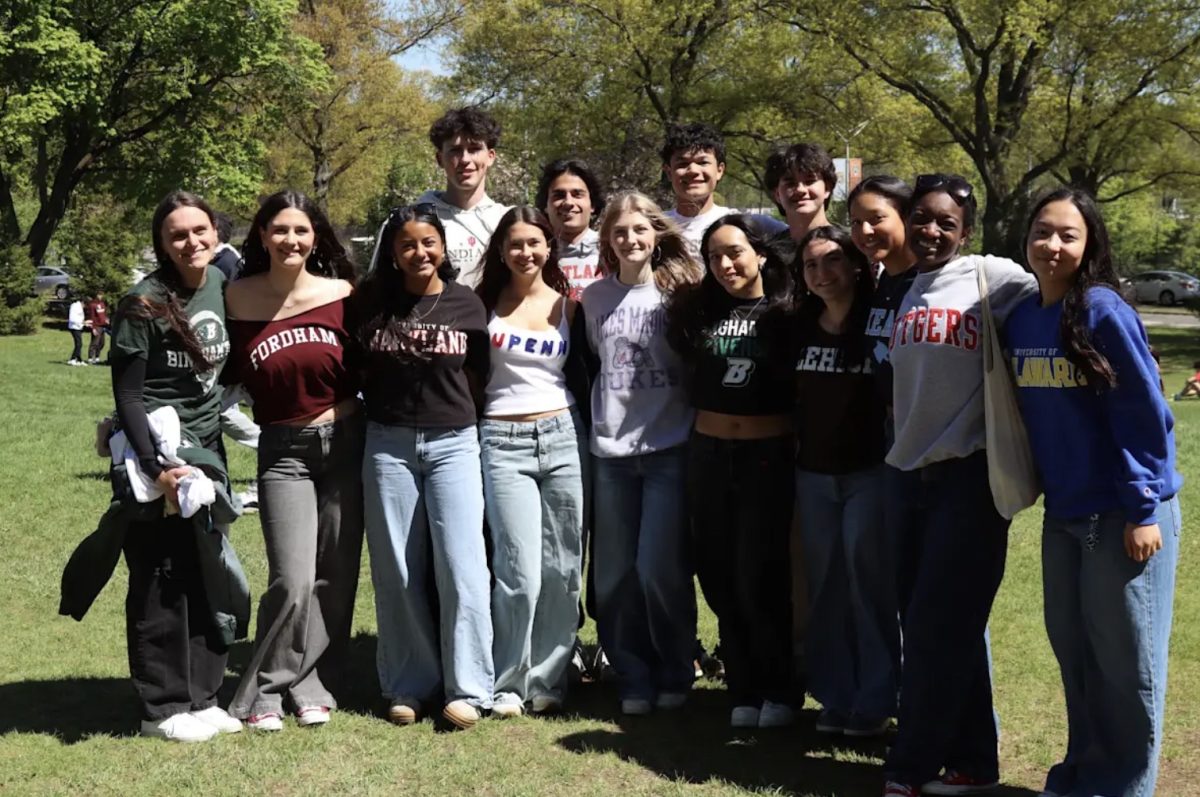



As college decisions begin to arrive, WPHS seniors are reflecting on months spent writing essays, tracking deadlines and navigating one of the most stressful parts of high school.
Senior Vincent Poon said supplemental essays were one of the most challenging aspects of the application process. “The most stressful part was getting prompts that are only about the school,” Poon said. “You don’t get to talk about yourself or draw from past experiences, so you end up doing more research than writing.”
Poon pointed to schools that required multiple supplements focused solely on academic programs and campus offerings. “It was horribly boring to write because I had nothing to talk about except the school experience, which isn’t how I express myself,” he said.
Poon applied to a total of 11 colleges, including a mix of highly selective private universities and large public schools. He submitted several early action applications to keep his options open while balancing a demanding academic schedule. He began lightly brainstorming over the summer but did not fully commit until early September, working on applications every day through November while managing schoolwork and other responsibilities.
Senior Patrick Cave echoed that essays were stressful but said the logistical side of applications added another layer of pressure. “Everyone says essays, but there’s also the stress after you submit,” Cave said. “You still have to make sure transcripts and forms are sent on time, and you’re constantly wondering, ‘Is everything actually in?’”
Cave added that “sneaky deadlines,” especially those requiring extra steps after submission, caused additional anxiety. “There were a couple of schools I didn’t get in on time because I didn’t realize or I took too long,” he said.
Despite the stress, both seniors emphasized the importance of support throughout the process. They said they asked teachers and coaches who knew them well for letters of recommendation, including math and physics teachers and coaches they had worked with for multiple years.
Students also described different approaches when building their college lists. Cave said his top choices included Georgia Tech, Purdue and the University of Michigan, focusing on schools with strong engineering programs rather than prestige alone. “I picked schools where I felt like I would fit,” he said. “I knew applying to Ivies wasn’t my thing.”
Cave encouraged future applicants to think beyond rankings and reputation. “You can name-chase big schools, but you should also apply to places where you feel comfortable,” he said, pointing to factors like campus culture and location. “If you don’t like cold weather, why apply somewhere like Cornell?”
Looking back, both students offered advice for juniors who will begin the process next year. Staying organized, they said, is key. Poon advised students to balance essays they enjoy writing with those they find more difficult in order to maintain momentum. “Writing too many bad prompts in a row kills your momentum,” he said.
As seniors begin to hear back from colleges, many agree on one thing: while the application process is stressful and time-consuming, it offers valuable lessons for future WPHS applicants.