
















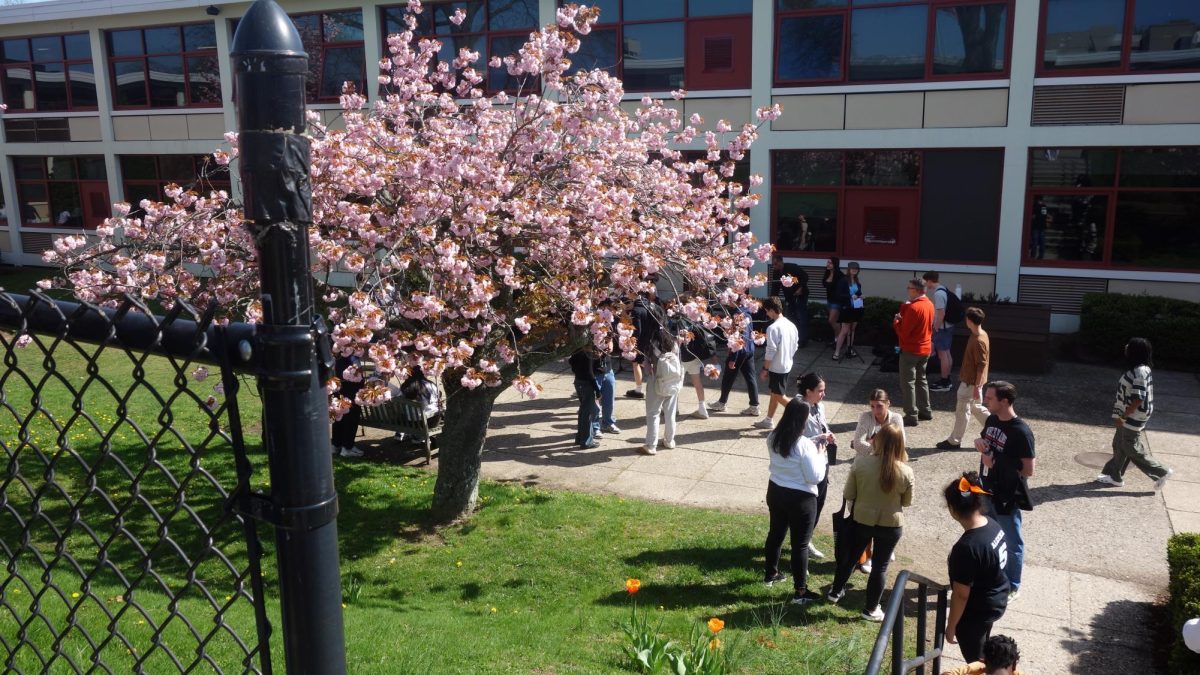





For many WPHS students, the bathrooms are a major issue: students report overcrowding, vaping and vandalism, making it hard to use the bathroom in peace. Now, administrators are hoping to solve some of these problems by implementing a system of electronic bathroom passes.
The passes, which will be rolled out this spring, will not fully replace the old physical ones—at least not yet.
“Right now we are looking at it as a pilot. We are only committed right now to using this until the end of the year. Our hope is that it goes really well and that we will continue to use it next year,” said assistant principal Mr. Vitiello.
To request a pass, students will open a program on their iPad called Minga and select the nearest bathroom. For now, they will still grab a color-coded pass when they leave the room. The entire process of requesting a pass and choosing a bathroom takes only a few seconds: Minga was chosen specifically for being user-friendly and quick. The program is capable of monitoring the number of students in a bathroom at any given time and will tell students to try again later if the bathroom is at capacity.
At lunch, students will not need to request a pass; they can simply ask to go to the nearest bathroom. Teachers will also have the ability to create a pass even if Minga denies it. This covers emergencies, tests and other situations in which a student might urgently need a bathroom trip.
The primary goal of switching to a digital system is safety. “It allows us to monitor who is out of classrooms at any given time,” said Mr. Vitiello. “In the event of a lockdown drill, we want to know if students are in classrooms or if they are in bathrooms.”
This year may be just a trial run, but the plan for these electronic passes is much bigger. Eventually, the administration hopes that they will no longer need to lock bathrooms. This, according to Mr. Vitiello, is an important goal because students deserve to “use [the bathroom] for what it’s intended to be used for, and do so safely.”
More plans include expanding the program to include all types of hall passes, including visiting the nurse’s office, a house administrator or your counselor. Next year, Minga will be able to put students in queue: if the bathroom is full, they will be given a spot in line and notified when it is their turn. This will minimize the time students need to spend outside the classroom.
Mr. Vitiello acknowledges that not all the kinks are worked out yet, and there may be unforeseen challenges that will need to be addressed. “We’re just trying this out to see how it works, and then we’re going to collect some data and revisit this over the summer,” he said.
For now, administrators are working on determining how many students each bathroom can hold before Minga’s debut in April. Students can expect a zoom meeting in the coming weeks explaining the details of switching to electronic bathroom passes.