
















Freshman seminar is a vexatious but necessary part of freshman year.
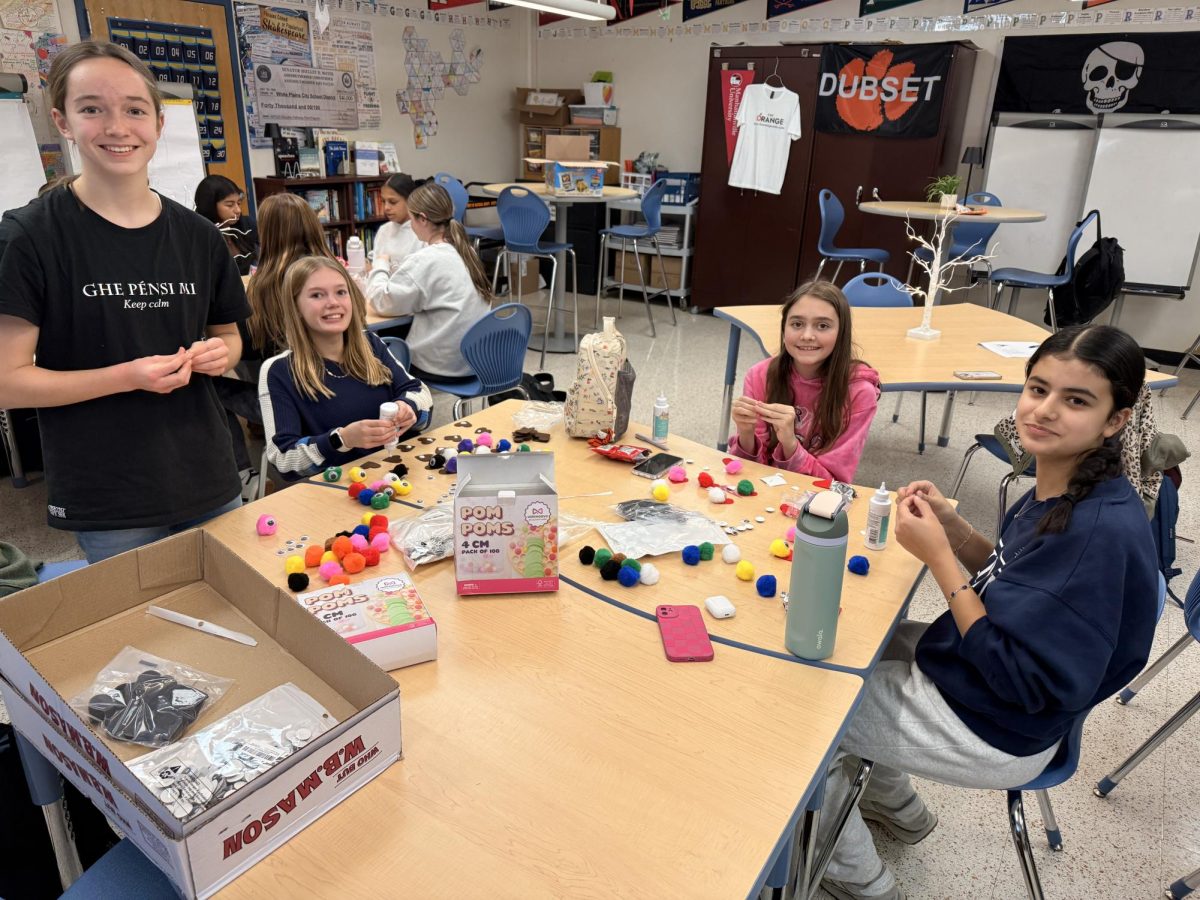
For those of you about to enter the high school or those of you who have forgotten how seminar works, freshmen are divided into two teams at the beginning of the year: Tigers and Dubset. The teams meet on a weekly alternating schedule (if, say, Tigers meets one week then Dubset will meet the next) with rotating periods (say Tigers meets first period one week, then Dubset will meet second period the next).
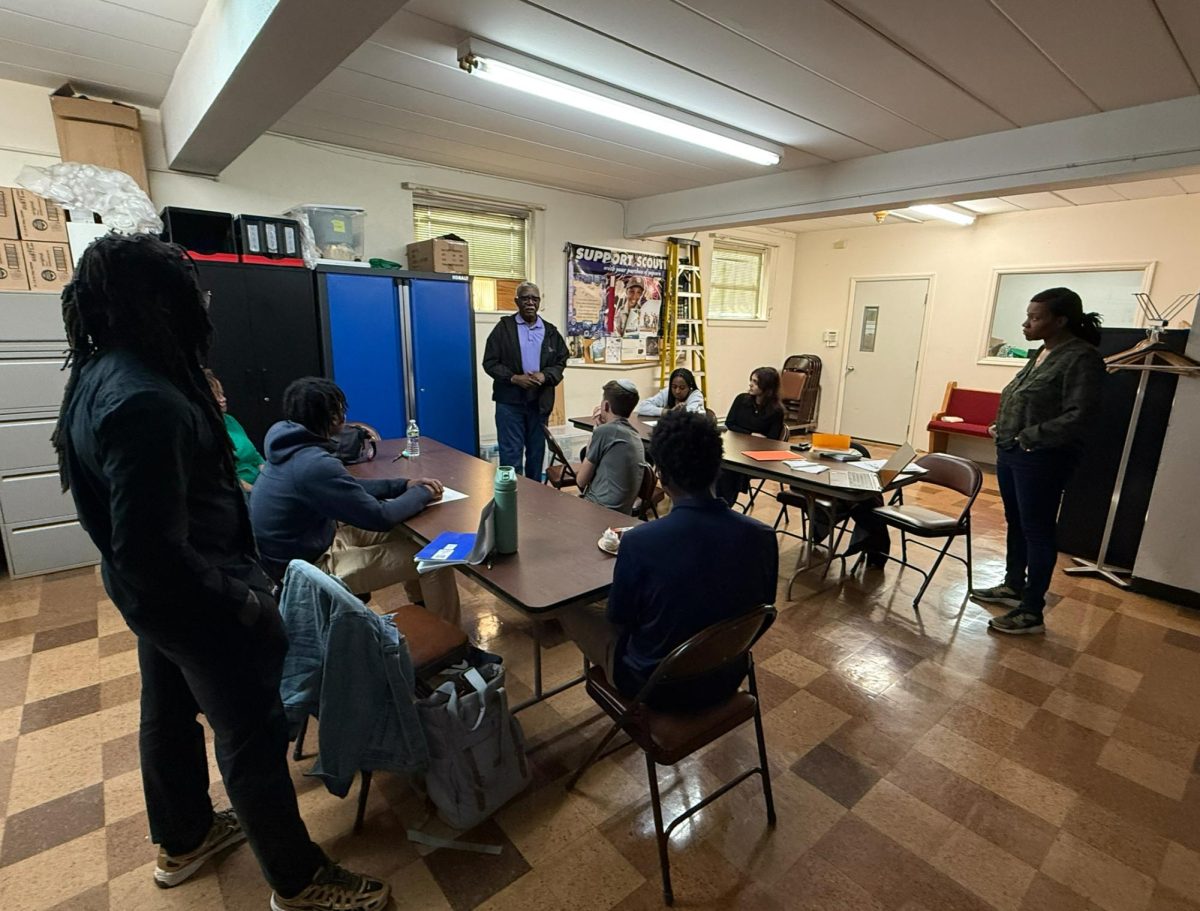
Each seminar, students are informed of the location where they must report. There, they meet their guidance counselor who, admittedly, covers some very important subjects, such as college applications, extracurricular activities and course selections for next year.
Despite the unavoidable need for seminar, most agree that there are some fundamental problems with the way that it functions. Freshman Salvatore Bonaiuto comments that for a good chunk of the seminars he attended, they “literally did nothing.”
“…I can understand the numerous students who went to the first few seminars then stopped regularly attending because it felt like a waste of their time and [they] ended up missing important seminars.”
Bonaiuto argues that seminar is undoubtedly a work in progress and should be treated as such, pointing to a variety of possible solutions for seminar’s attendance problem.
“[Seminar] could certainly be improved by choosing more worthwhile topics or holding seminar less frequently to keep the topics interesting,” he said. “More students may also come if counselors announced the topic of the seminar to their students. When students know that a specific seminar is about important things, guidance counselors may see a higher turnout.”
The lack of consistently relevant seminar topics makes the whole experience feel unproductive, even though most students would acknowledge that it’s not. Like a game of poker, showing up to seminar can either be surprisingly useful or depressingly pointless.
Isolde Valenton, another freshman, stressed the importance of keeping students engaged, outlining her hopes for the future of seminar.
“I hope that the material seminar sessions present will be modified, as the lessons given are useful, but the activities done tend to get boring and…feel more like a waste of time.”
Seminar has its uses, but the way it has been integrated into the school schedule adds another layer of confusion and inconvenience to a period already fraught with stress. The transition from middle school to high school is not easy, even without the constant scheduling flux seminar induces.
Valenton describes the schedule changes as “annoying,” and felt there were more productive uses for the time allotted to seminar.
All in all, seminar is an important part of school life, however, it is flawed. The fact that it is necessary is not an excuse to cease trying to improve it.