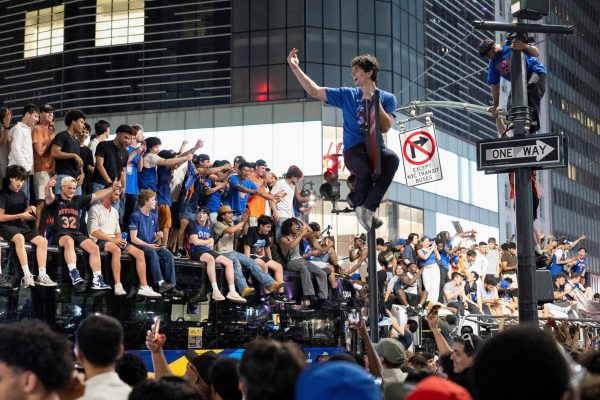
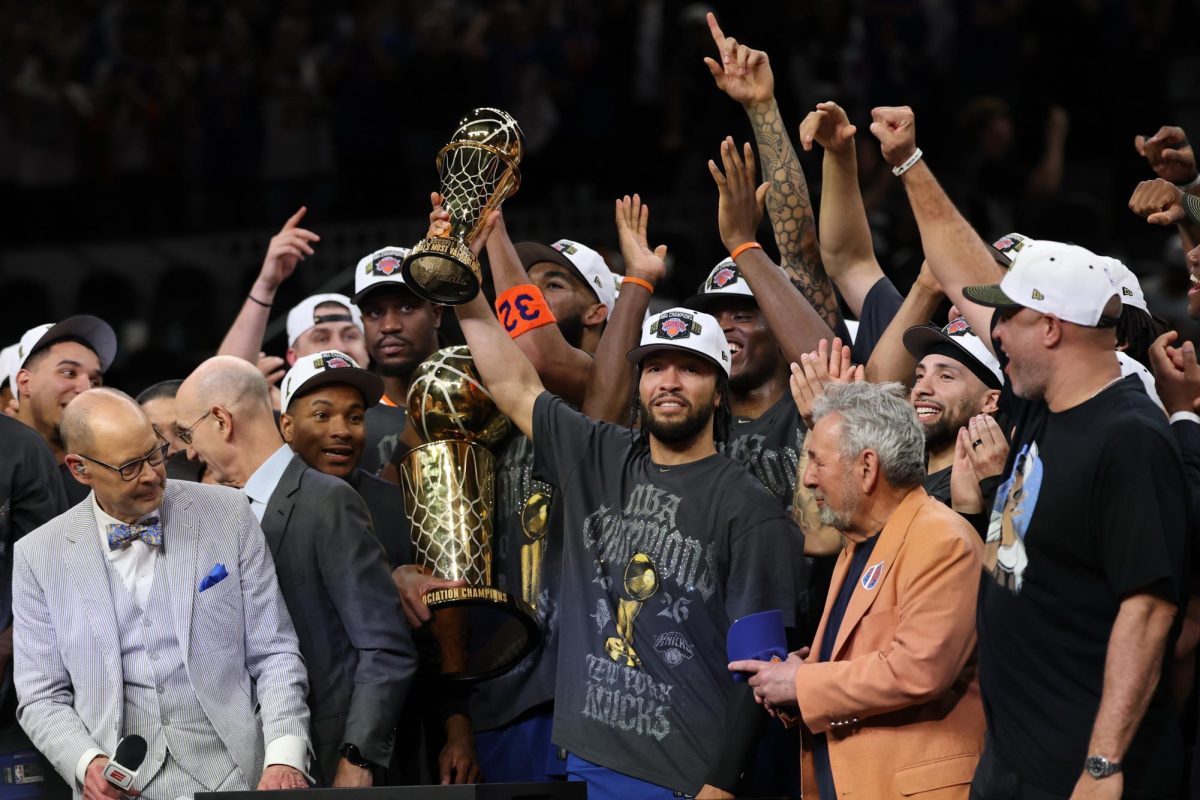










After the New York Knicks accomplished what millions of New Yorkers had written off as impossible on Saturday, June 13, an entire city can die in blissful peace knowing they saw their basketball team achieve immortality.
On that fateful Saturday, the New York Knicks, fresh off one of the most dominant playoff runs in NBA history, were crowned champions of the NBA for the first time since the swishing and dishing of Walt “Clyde” Frazier in 1973. The Knicks, who routinely were written off throughout the season by opposing fans, analysts and media, persevered through four rounds of playoffs to eventually defeat the San Antonio Spurs, touted as a rising NBA powerhouse, in their own arena, which housed a few thousand Knicks fans on Saturday night. Much like the city of New York, the Knicks showed their tenacity and didn’t back down from the tall order that was ahead of them, and instead they proved to be the saviors that the city of New York needed and showed the world what happens when the force of New York comes together behind one legendary team.
The Spurs, despite leading by double digits in every game of the finals, only managed to win a single game in the series. Despite the amount the Knicks found themselves trailing by, they never lost sight of what was at stake in the series and always managed to find themselves in the games by the end of the fourth quarter. The Knicks took the first two games in San Antonio, pulling away with wins after trailing by as much as 13 in Game 1 and as much as 12 in Game 2. The Knicks dropped Game 3 at Madison Square Garden, despite again attempting a late-game comeback. Then, in Game 4, the Knicks completed the biggest comeback in NBA Finals history, winning a game they trailed by as much as 29 points in. With the Knicks on the brink of winning their first NBA championship in 53 years, the Knicks took home Game 5 in San Antonio while still completing a double-digit comeback.
While the series victory truly was a team effort, the win never would’ve been possible without Jalen Brunson. Brunson averaged over 32 points per game during the finals and dropped 45 points during Game 5, which accounted for nearly half of the Knicks team totals during Game 5.
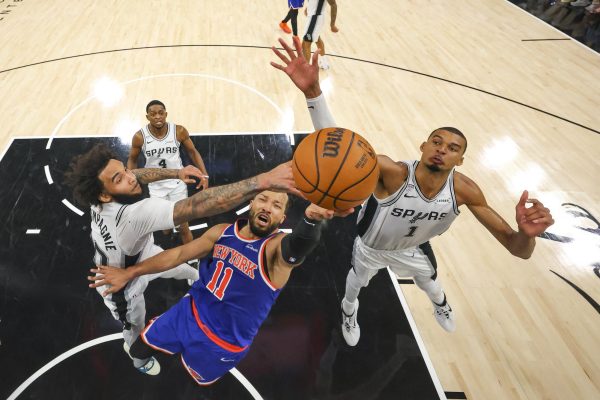
Brunson, a 6-foot-2 guard from New Jersey, is the definition of a playmaker, creating points for the Knicks through drives that routinely beat the 7-foot-4 Frenchman Victor Wembanyama, mid-range floater shots over other guards, deep 3s and anything in between. Not terrible for a guard who had been labeled as “too small” or “not good enough” for his entire career.
Brunson, along with bringing MVP-caliber talent to Manhattan for the first time since Carmelo Anthony, also brought something that Carmelo, or any star that had come to New York in many years, did: humility. Brunson took a $113 million pay cut when signing an extension with the Knicks to give the team cap space to build their championship-caliber roster. With that extra cap space, the Knicks traded for big man Karl-Anthony Towns, who head coach Mike Brown equipped as a play-making center during the playoffs; forward O.G. Anunoby, who was as clutch as Brunson during the finals and made the game-winning shot in Game 4; guard Mikal Bridges, who scored 20 points in Game 2; and forward Josh Hart, who was a key player during the Knicks’ 29-point comeback.
The Knicks also saw their bench depth fully deployed in the playoffs, something that Mike Brown fully understood how to do effectively. Landry Shamet, an unknown guard at the start of the season, scored double-digit points twice in the Eastern Conference Finals and twice in the Finals. Mitchell Robinson, the Knicks’ longest-tenured player, battled through a broken pinky finger to guard Wembanyama effectively during the finals and create possessions through rebounds while also filling in for when Towns found himself in foul trouble. Miles McBride and Jordan Clarkson found themselves playing and scoring in finals games, while Jose Alvarado found himself scoring deep into the Game 4 comeback.
Although it had been deemed impossible by everyone excluding New Yorkers, the Knicks survived a scare against the Atlanta Hawks in the first round of the playoffs and dominated the Philadelphia 76ers and Cleveland Cavaliers in the second and third rounds, respectively, while also taking over their arenas with traveling New York fans. The Knicks took on Wembanyama, who was dubbed the “future face of the league,” and the young, budding Spurs team that was favored heavily entering the series, and the Knicks exposed the Spurs as immature and unprepared for an NBA championship. The Knicks exposed Wembanyama as a player who lacks the durability and maturity (discovered through various uncalled flagrants and unsportsmanlike acts throughout the series) to become the true series-altering player the Spurs needed to pull off a series win. The Knicks exposed Wembanyama as someone whose ego will prevent him from becoming an all-time great, for now, and someone who can’t handle the pressure that comes at the biggest stages.
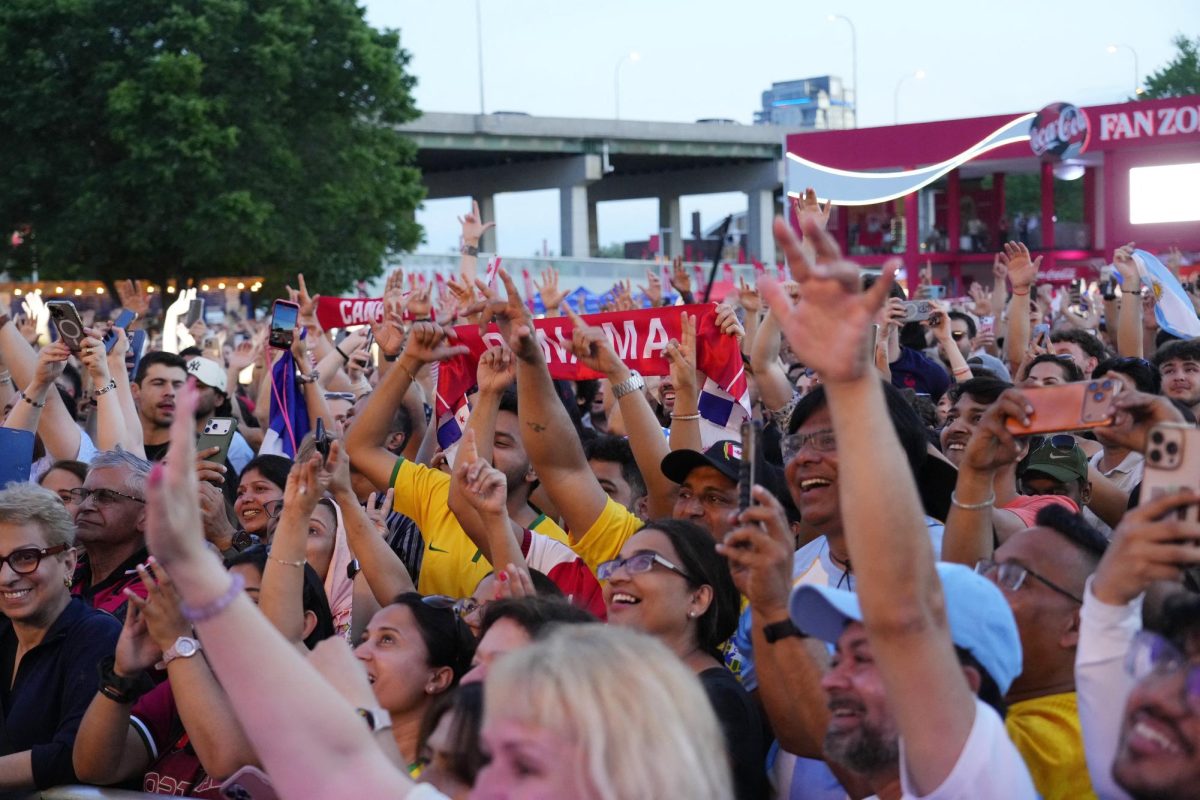
For a final takeaway from this legendary run that will forever be etched in the mind of 8 million New Yorkers, a legendary run that will be more revered in New York as the late-’90s to early-’00s Yankees, the ’69 and ’86 Mets, the ’08 and ’12 Giants, the ’69 Jets, the ’94 Rangers and the four-peat Islanders, the Knicks united New York when New York needed something to be proud of. In a time when people seem to be more divided than ever, the Knicks, New York’s original and, in the minds of many, including myself, only basketball team, unite everyone in New York together under one, single fandom. Knicks fandom doesn’t discriminate, and when everyone is enjoying a championship that hasn’t seen New York in 53 years, it acts as the savior that New York needed to unite the Big Apple over the hometown basketball team.