
















The earliest example of this vehicle used a canard design and was permanently disabled after four uses. The town of Kill Devil Hills now commemorates one of these vehicles that was operated for the first time in 1903 at Kitty Hawk.
Still don’t get it? Here’s the rest of the question:
A pair of bicycle repairmen developed, for ten points, what type of vehicle that was first operated by the Wright brothers and is now produced by firms like Boeing and Airbus?
Ah yes, an airplane.
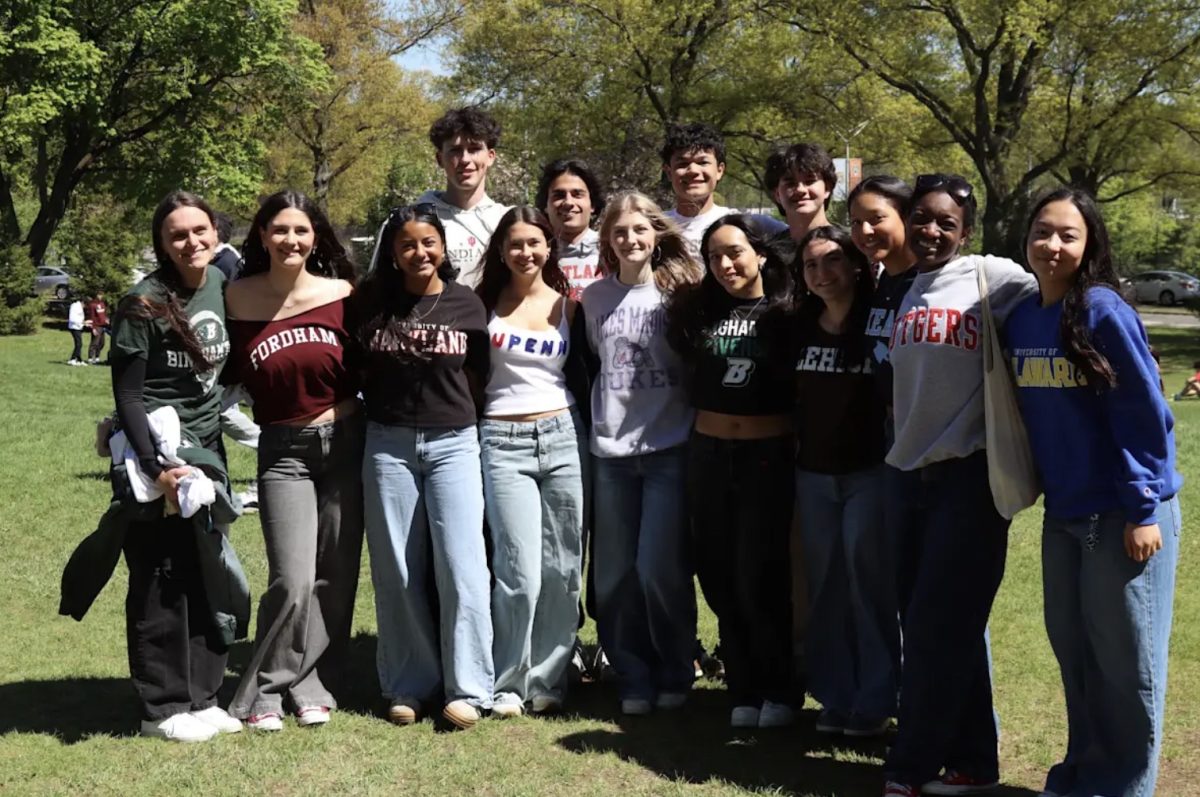
These are the kinds of questions the White Plains High School Academic Challenge Team faces on a weekly basis. The team competes in Saturday Quiz Bowl tournaments from November through June, answering questions that cover topics ranging from computational math to naming obscure opera arias. Most questions follow the same format as the one above, with difficult clues announced at the beginning and simpler ones at the end. Players from either team may buzz in at any time while a question is being read, but buzzing within the time it takes to read the first few phrases earns double points. There are four rounds in each game, each different from the others, and teams play five games per meet.
Quiz Bowl is filled with rules, and a recent change in the game format has left teams scrambling to practice. Club co-president Emily Dang said the adjustments “give us a disadvantage because the questions are exceptionally more challenging.” Co-president Stella Khachetoorian added that “the new format may just take some time to get used to, as we’ve only competed in one meet using that format so far.” Both presidents noted that they “miss the 60-second bonus category,” and Khachetoorian explained that it “was a fun way to put the pressure on and rack up points.”
On the other hand, member Judah Goldman suggested the new format could be beneficial because it “puts more emphasis on overall knowledge and less on speed.”
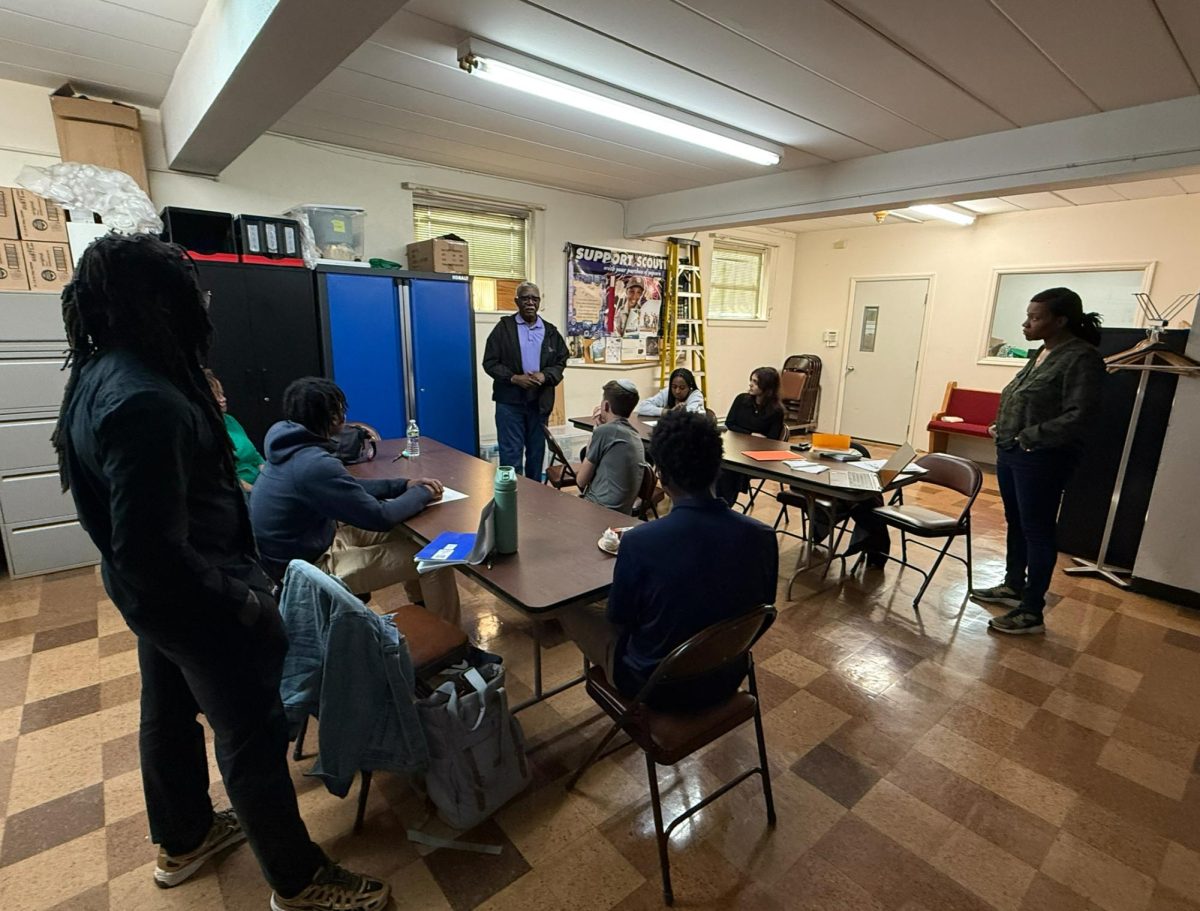
When asked how the team prepares for meets, Dang explained that the team meets on Tuesdays after school to “go through question sets from old tournaments,” though she added that “we might start splitting up into smaller groups to simulate real gameplay.”
Each club member has a specialty—a set of topics they have become the team expert in. Khachetoorian gravitates toward current events, especially politics, pop culture, mythology and general knowledge. Dang focuses on mythology, science and sports. Goldman specializes in business, finance and history. Other team members have also claimed niches including philosophy, religion, chemistry, art history, classical music, literature, calculus and psychology. As Khachetoorian pointed out, the wide range of topics lets “different members of the team have their moment to shine” and show off their niche interests in a competitive setting.
Beyond the competition itself, Academic Challenge has become a tight-knit community and a valuable way for the team to strengthen its skills. Looking ahead, the team hopes to continue competing and winning tournaments, with the goal of qualifying for the 2027 High School National Championship Tournament in Atlanta. Dang is optimistic about the team’s chances, especially since “our A team qualified for nationals last year.”
When asked how the team plans to prepare for this feat, she offered a simple but sound answer: “Practice, practice, practice.”