




























Japan has begun mining rare earth elements from the deep ocean floor, nearly 6,000 meters below the surface.
What exactly is Japan doing?
Japan recently tested a system that pumps mineral-rich mud from the seafloor near the remote island of Minamitorishima. The mud contains a high concentration of heavy rare earth elements like dysprosium, terbium, and yttrium, which are important for electronics and military technology. The whole point of the mission is to essentially prove that the technology does indeed work.
Why the deep sea?
Japan relies heavily on imported rare earth materials, which creates economic and security risks if exports are restricted or prices rise suddenly. Researchers estimate that the seabed near Minamitorishima may contain enough rare earth to supply global demand for decades.
Environmental impact?
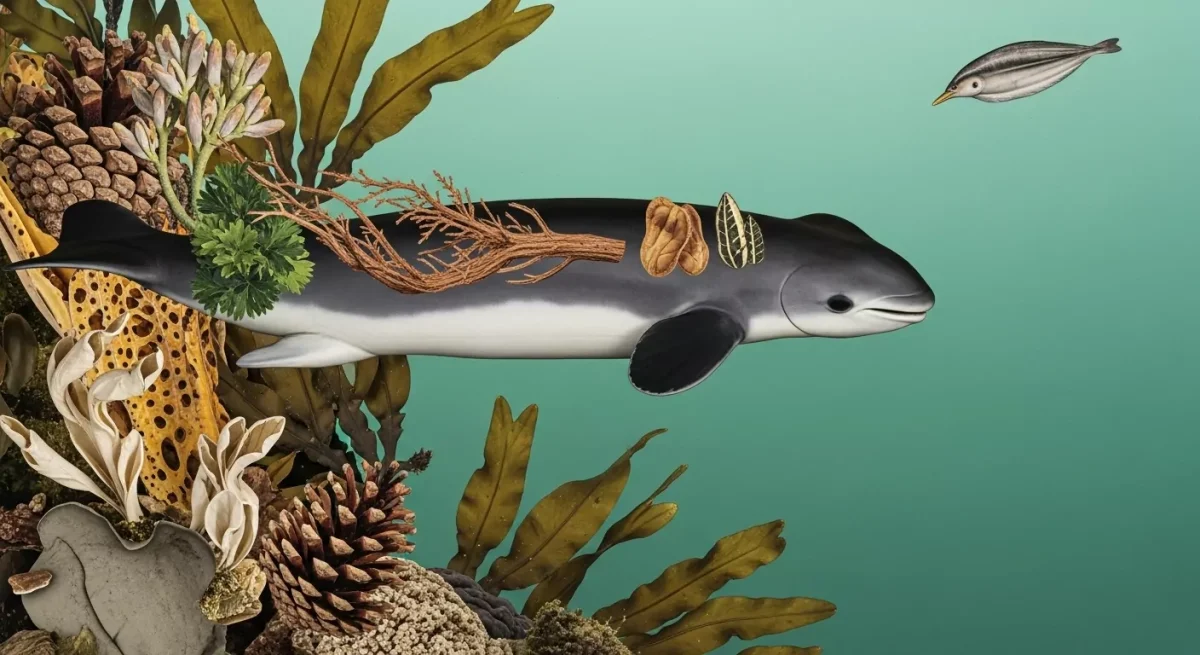
Environmental impact is the largest concern surrounding deep sea mining. According to research, disturbing the seafloor can immediately reduce biodiversity by over 30%. Even after more than 20 years, many deep sea species do not fully recover. Environmentalists warn that damage from large scale mining operations could cause irreversible damage for decades due to the fragile nature of these ecosystems
Is it economically viable?
Studies suggest that mining rare earth mud alone is not profitable. The process only becomes economically sustainable if multiple valuable metals like manganese and cobalt are extracted at the same time. Even then, the profit is heavily dependent on the prices of these precious metals staying high.
Why hasn’t large scale mining started yet?
No country has been approved to commercially mine the deep ocean in international waters. The International Seabed Authority has withheld permits due to unresolved environmental concerns. Japan’s test is allowed because it takes place within its own territorial waters; expanding the project beyond this area would face significant legal issues.
Why is this important?
Japan’s deep-sea mining operations may open the doors for other countries to participate in their own territorial waters, potentially leading to major ecosystem disruption and destruction.