



















White Plains High School’s 13 school counselors are some of the school’s most integral support systems for students. They do everything from helping with scheduling to guiding seniors through college application season to supporting students with academic, social and emotional concerns.
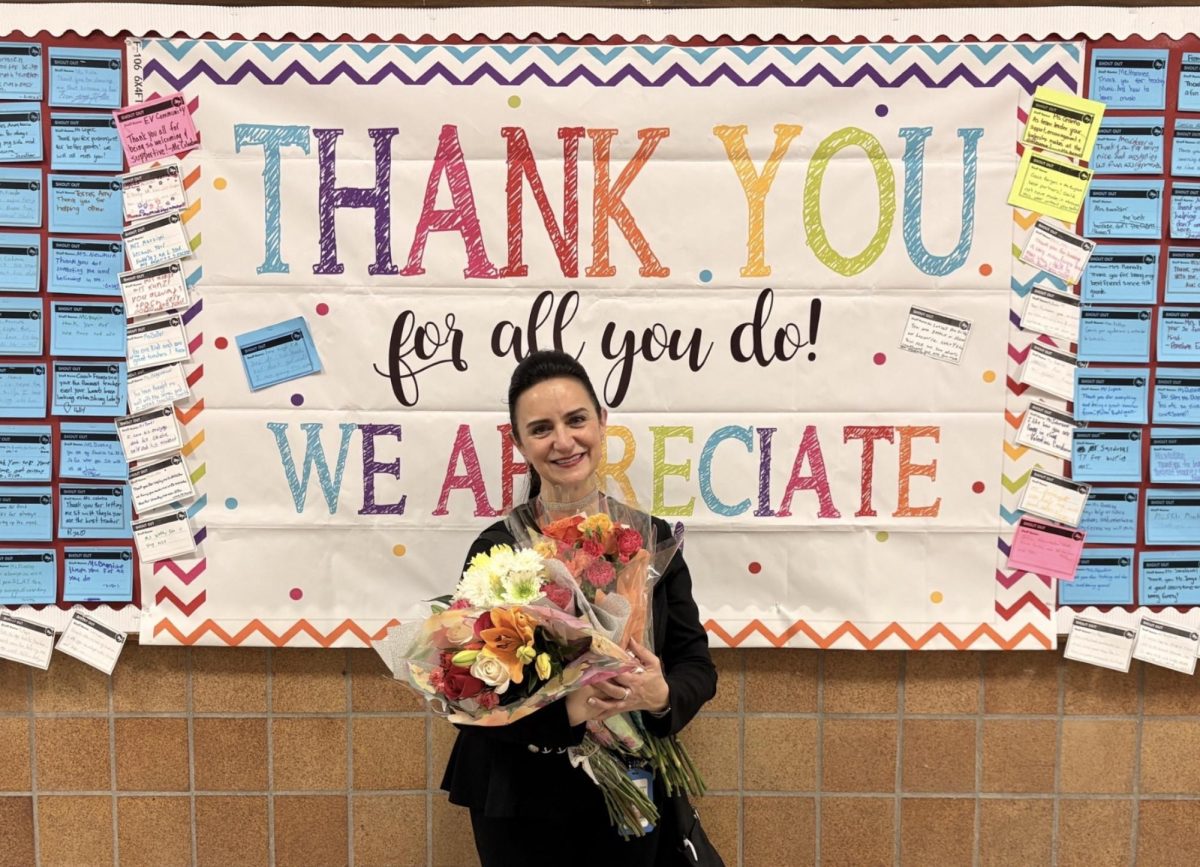
Ms. Andujar, a school counselor in East House, has always been drawn to education, but she didn’t focus on that interest until after undergrad when she was working as a classroom teacher.
“I found myself drawn to the moments outside of lessons and grades; the quiet check‑ins, the conversations about stress, family, identity and self‑doubt,” she said, adding that as a teacher, she began to realize that “learning doesn’t happen in isolation” and “for a student to truly succeed academically, they first need to be “okay” emotionally, mentally and socially.”
There is no predetermined path to becoming a school counselor. Ms. Andujar earned her bachelor’s degree in social sciences, but a variety of undergraduate majors can be good options for aspiring counselors. Upon graduation, every prospective school counselor must earn a master’s degree in school counseling.
Ms. Andujar went above and beyond and earned a bilingual extension by taking additional courses and an extra certification exam. She said that the opportunity to work with bilingual students and families “has been a really meaningful part of my role.”
One of Ms. Andujar’s favorite aspects of her job is that no day is the same; she may spend one day dealing with an overflowing inbox, while the next her office “feels like Grand Central Station, with students coming in and out all day to talk about grades, schedules, college plans, stress, friendships or personal challenges they’re facing.”
Her role also changes with the seasons. Some of her year is spent supporting seniors through the college application process and writing recommendation letters. Other times, she is involved in program planning or pushing into classrooms.
A large portion of the work that Ms. Andujar and the other school counselors do is invisible to students. Ms. Andujar spends some days in back-to-back meetings about program planning and building or refining student support systems. Of course, any surprise crisis takes priority and can shift her entire plan for the day.
“Being a school counselor requires flexibility and the ability to pivot at a moment’s notice. While a significant part of my day is spent meeting directly with students, a lot of meaningful work also happens behind the scenes to make sure students feel supported and are set up for success,” she said.
During her free time, Ms. Andujar enjoys experimenting in the kitchen, binge-watching her favorite shows and adventuring with her daughter. Spending time with her family and dog in nature helps her to “slow down, recharge and refill my cup.”
For Ms. Andujar, being a school counselor means so much more than it seems at first glance. “If I can make even the smallest positive impact by helping a student feel seen, supported or less alone, then I know I am exactly where I am meant to be.”