




















Could a brain learn without having a body at all?
Scientists recently created a digital version of the fruit fly’s brain, and it responded to stimuli just like a real fly. At the same time, another group of scientists grew human brain cells and taught them how to play a video game.
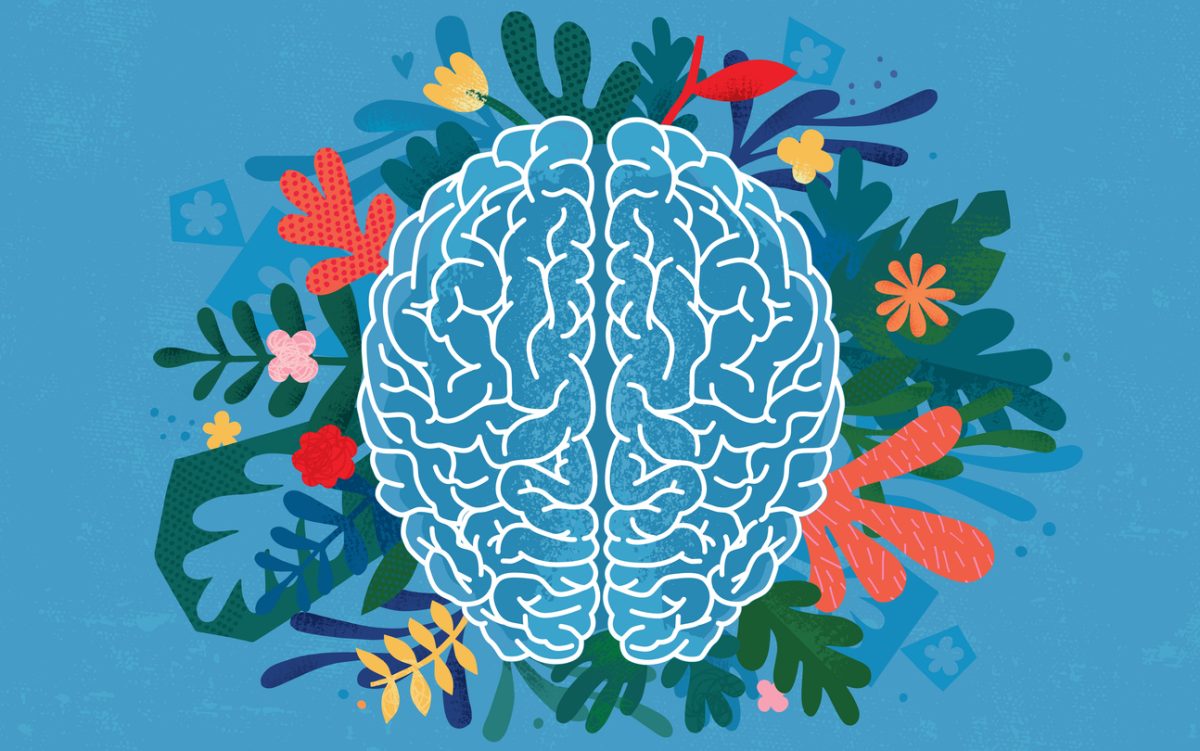
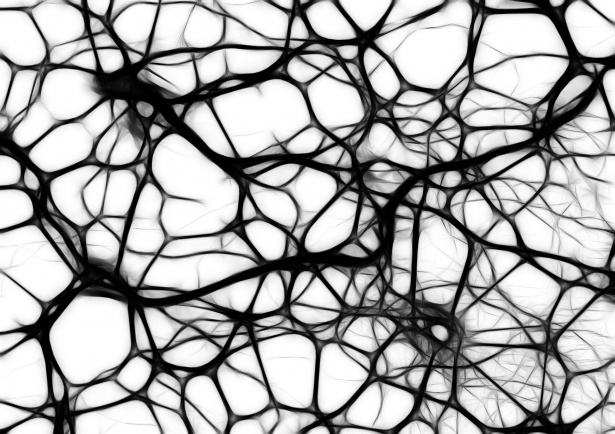
The fruit fly experiment is based on something called a connectome, which is a complete map of how neurons in the brain are connected. Researchers had to map over 100,000 neurons and more than ten million connections.
When scientists connected the virtual brain to a digital body in a simulation, the body could walk and respond to its surroundings. In some tests, the simulation behaved almost like a real fly with 90 percent accuracy.
Unfortunately, this does not mean the scientists have actually recreated a real mind. The simulation is a very simplistic version of a fruit fly’s brain. It does not include anything that makes a living organism work, such as complex chemistry and internal brain signals.
In a separate experiment, researchers grew approximately 200,000 human neurons on a chip. The cells were connected to the video game DOOM through electrical signals. Through trial and error, the neurons began to learn how to navigate the video game.
The two experiments show how scientists could either grow actual human neurons and integrate them into technology or create an artificial brain that replicates the same behavior as a real one.
While these experiments are impressive, we are still far from achieving true artificial intelligence.