





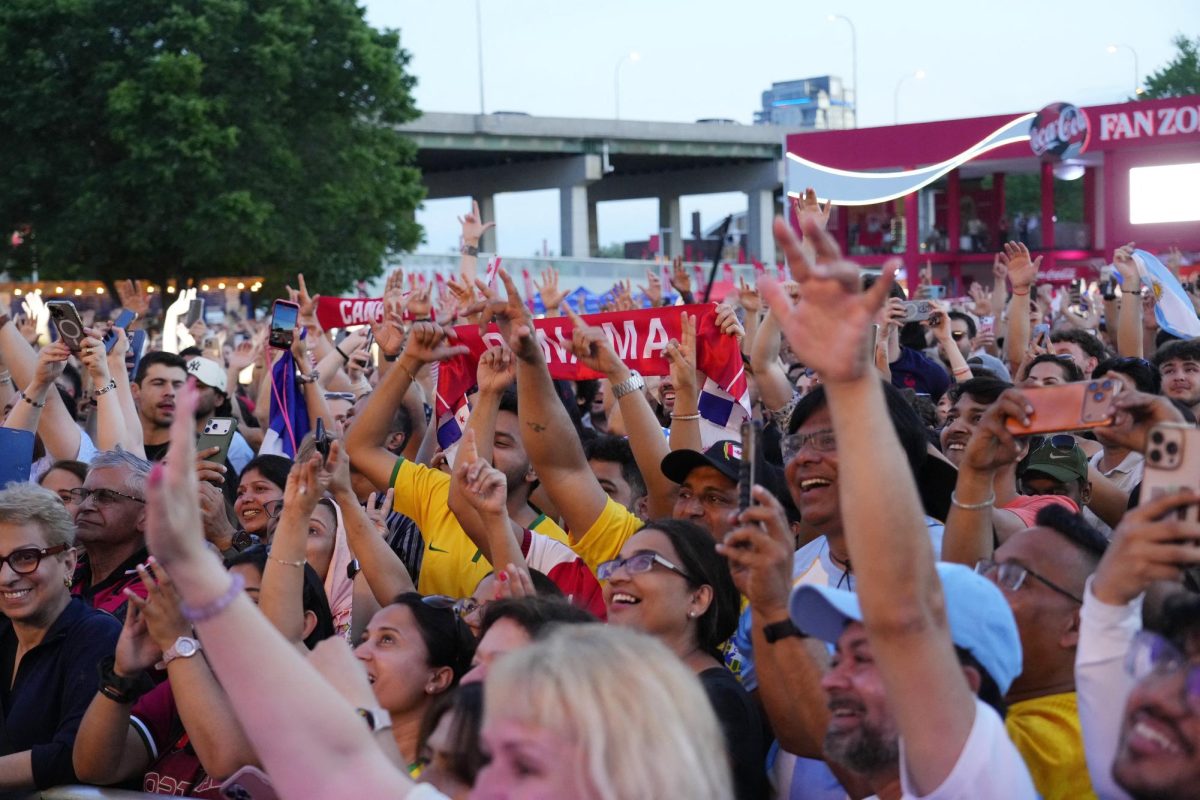



















The Eurovision Song Contest is the world’s largest live music competition, uniting about 40 countries each year in a stunning display of music. Founded in 1956 to raise unity in post-WWII Europe, the event has grown into a massive cultural phenomenon. Today, it attracts a global audience of over 160 million viewers who tune in to see a unique mix of serious musical artistry and entertainment.
The contest has a long history of turning participants into global superstardom. Legendary pop group ABBA famously won the competition for Sweden in 1974 with their hit “Waterloo,” which boosted their massive international career. More recently, Italian rock band Måneskin capitalized on their 2021 Eurovision victory into chart-topping global hits and sold-out stadium tours around the world.
To keep the massive television production running smoothly, the competition relies on a strict and precise set of rules. Every participating country is permitted to submit only one original song, which must be exactly three minutes long. Additionally, while the background music is pre-recorded, all vocals must be performed completely live on the night, and a maximum of six people are allowed on the stage at any given time. A ‘no politics’ rule is enforced to preserve unity among countries and avoid controversy.
The ultimate winner is decided through a dramatic voting process that features a 50/50 split between professional music industry juries and the public televote. Each country’s awards points to its favorite performances, climaxing with the coveted 12 points (douze points). To ensure fairness and evaluate talent objectively, viewers are strictly forbidden from voting for their own country’s entry.
The 2026 Eurovision Song Contest added a thrilling new chapter to its history this year when Bulgaria secured its first-ever victory. Artist DARA captured the glass microphone trophy, winning over both the professional juries and the global public with her high-energy anthem “Bangaranga,” earning her country the honor of hosting next year’s celebration.
Ultimately, Eurovision thrives as a vibrant celebration of cultural diversity and creative expression. It is a unique arena where emotional, native-language ballads compete neck-and-neck with high-energy techno tracks and eccentric stage acts. In the end, nations do not compete for prize money, but rather for the iconic glass microphone trophy and the honor of hosting the next year’s global celebration.